
The four concentrations
| Label | Perfume oil | Typical wear | Feel |
|---|---|---|---|
| Eau de Cologne (EDC) | 2 to 5 percent | 1 to 2 hours | A splash of freshness |
| Eau de Toilette (EDT) | 5 to 15 percent | 3 to 5 hours | Light, bright, daytime |
| Eau de Parfum (EDP) | 15 to 20 percent | 6 to 12 hours | Full-bodied, the standard for Arabian houses |
| Extrait de Parfum | 20 to 40 percent | 10 hours and more | Dense, close at first, very long lasting |
The percentages are guides rather than rules. A well-made EDP with heavy base notes can outlast a thin Extrait. But as a rule of thumb, more oil means more hours and more presence.
Why almost everything we sell is EDP or Extrait
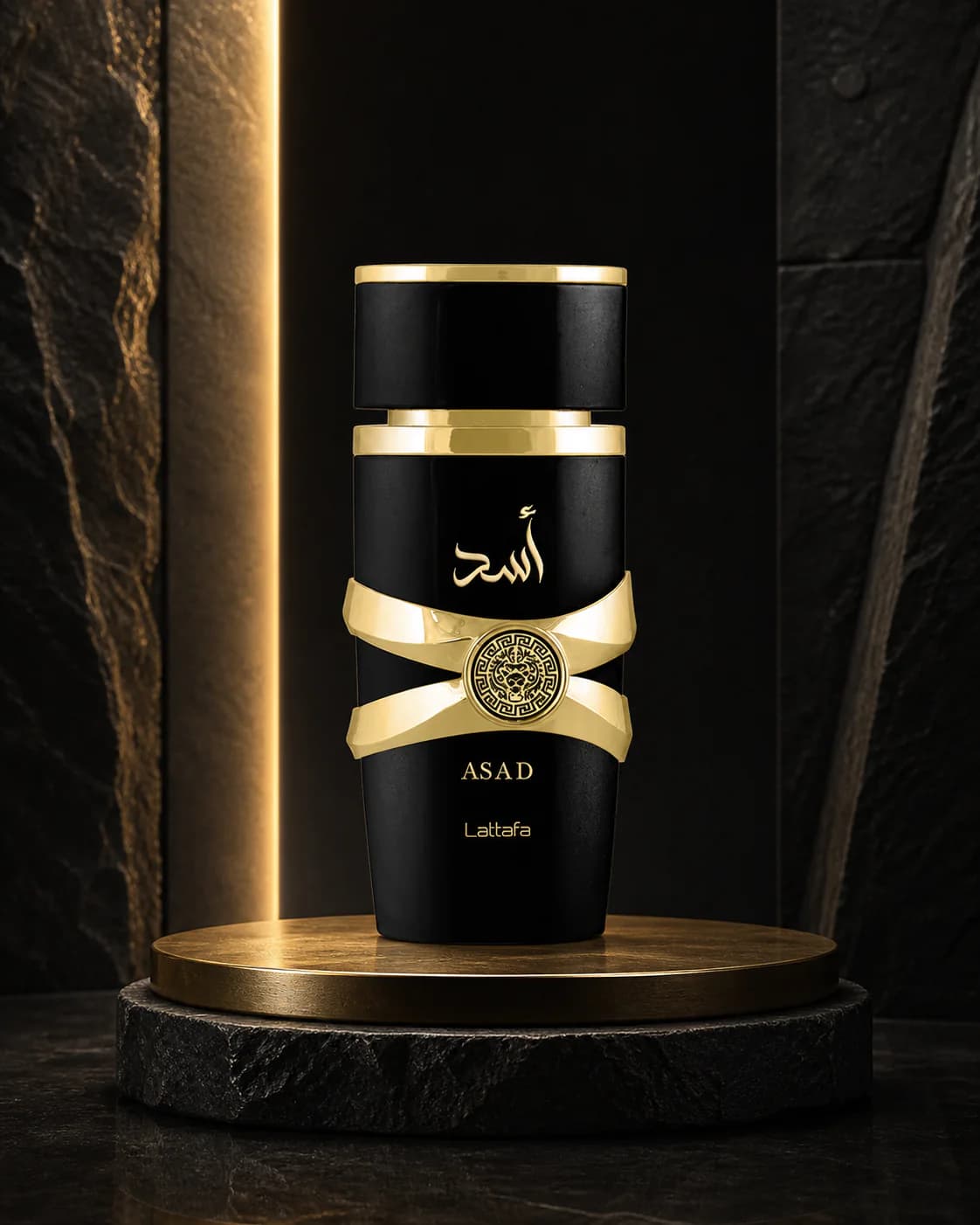
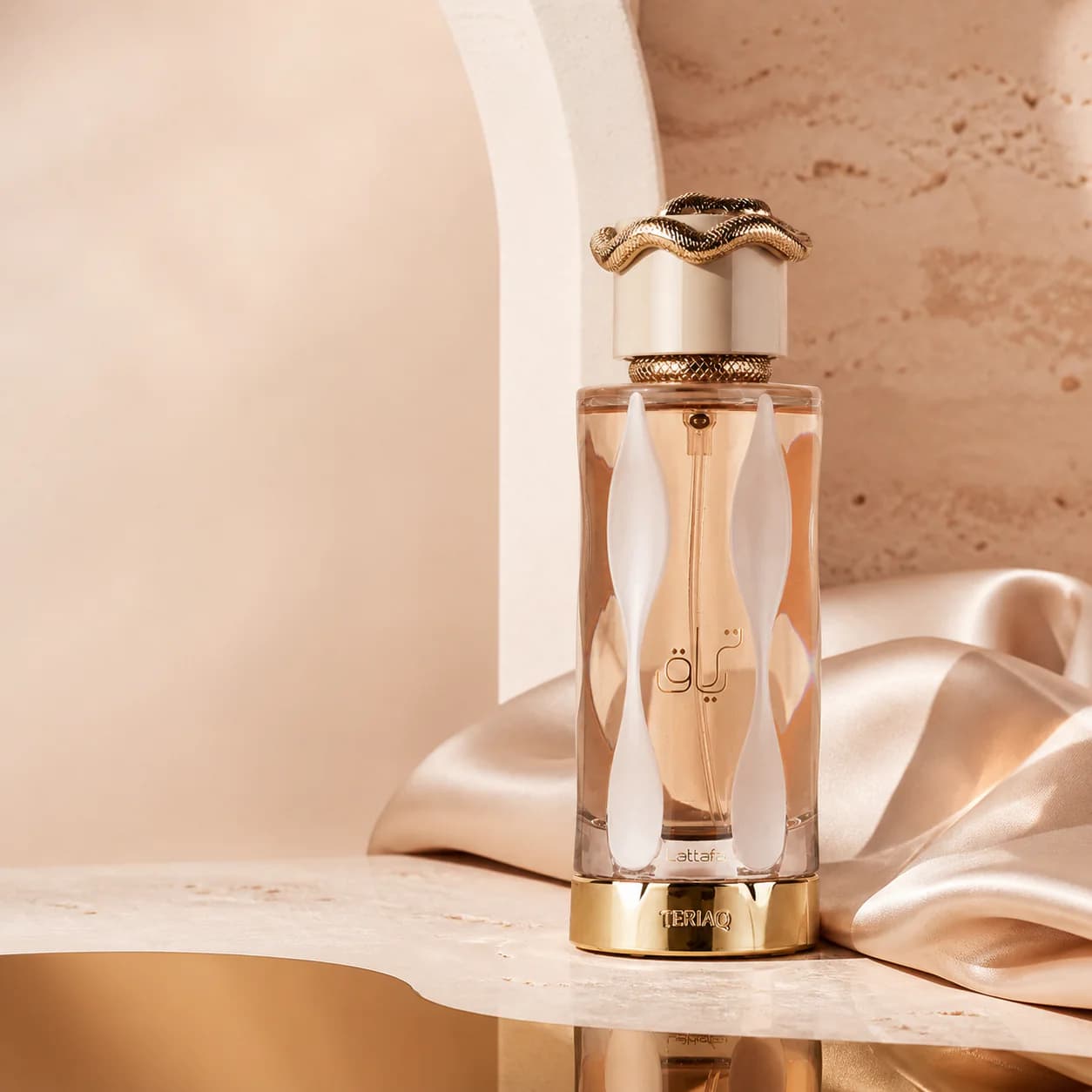
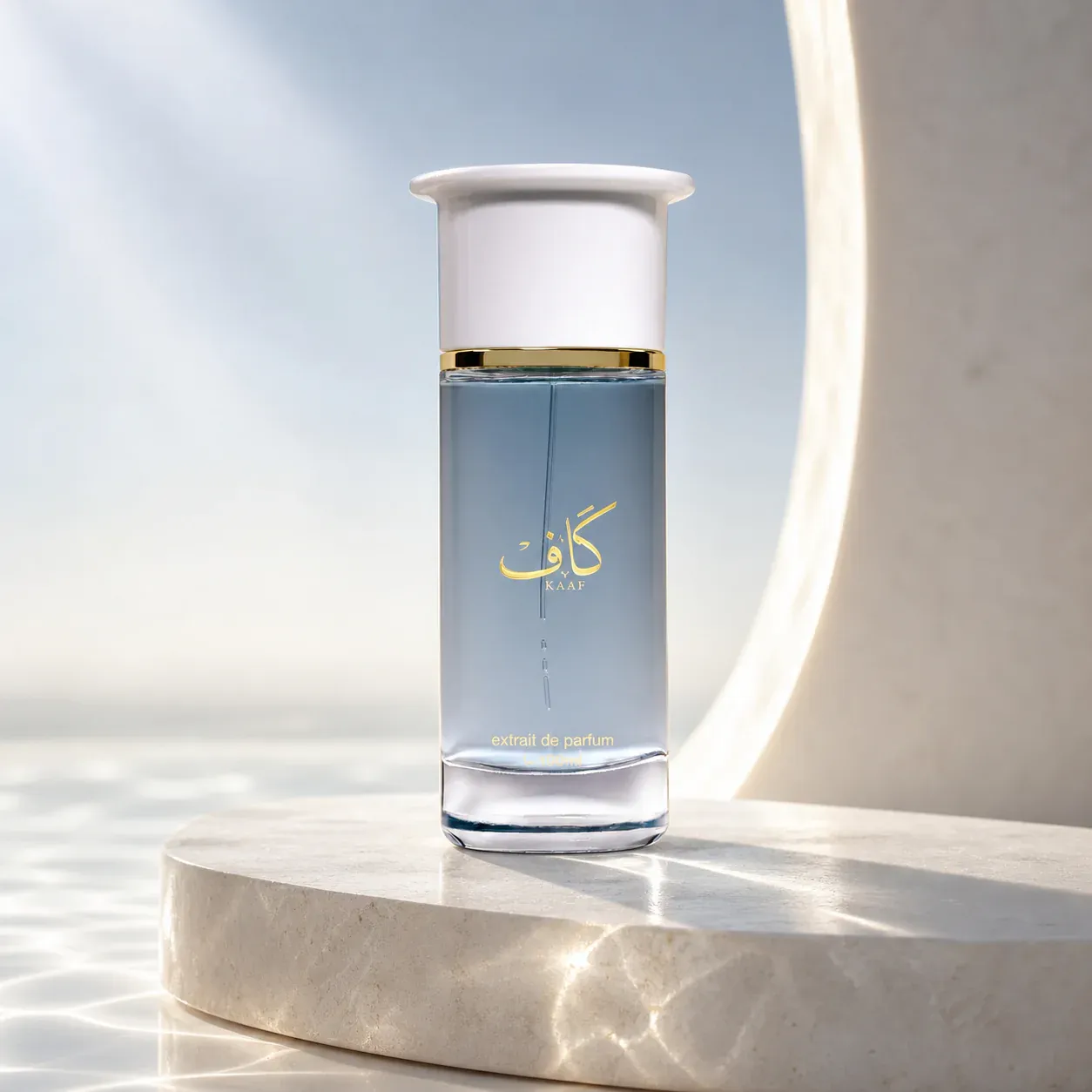
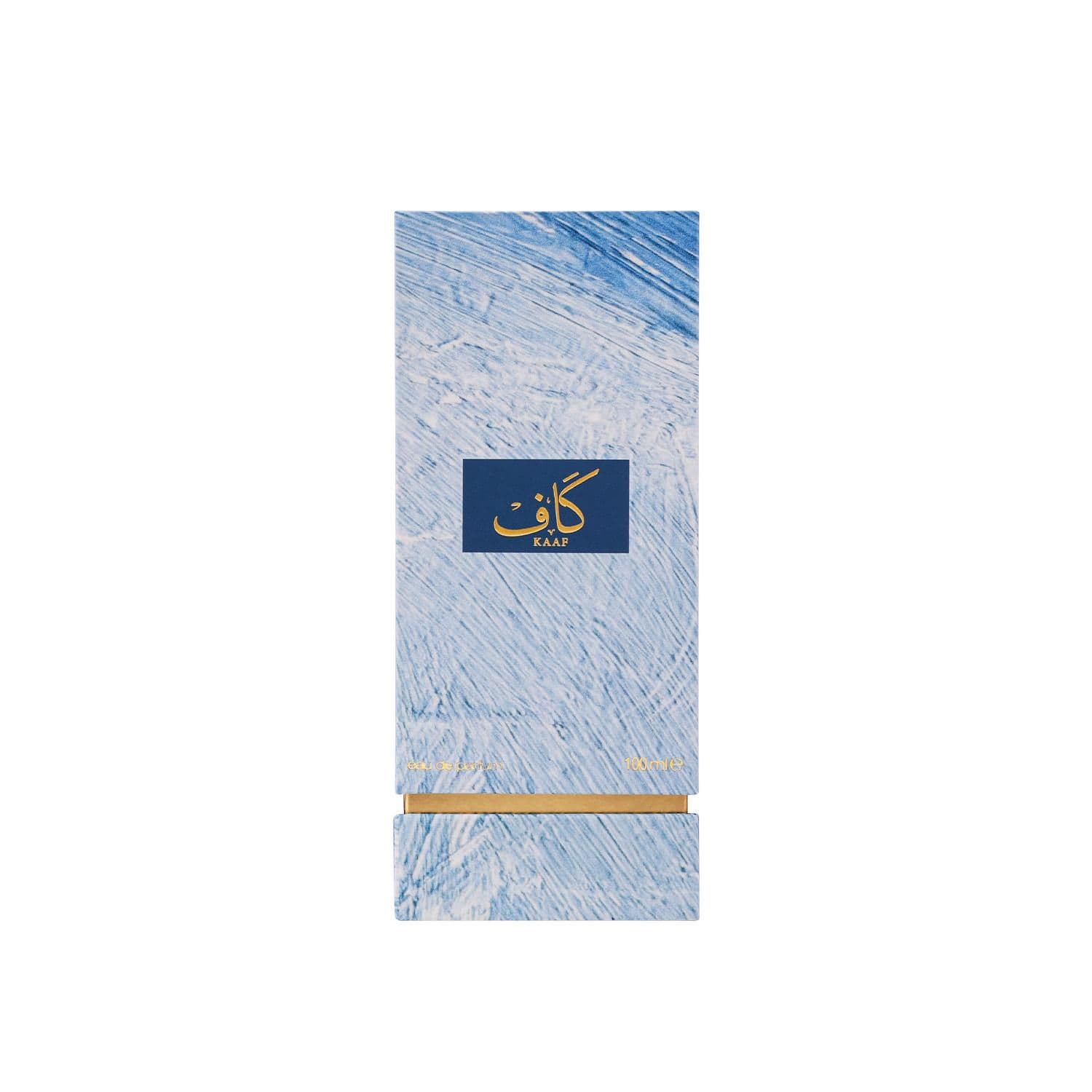
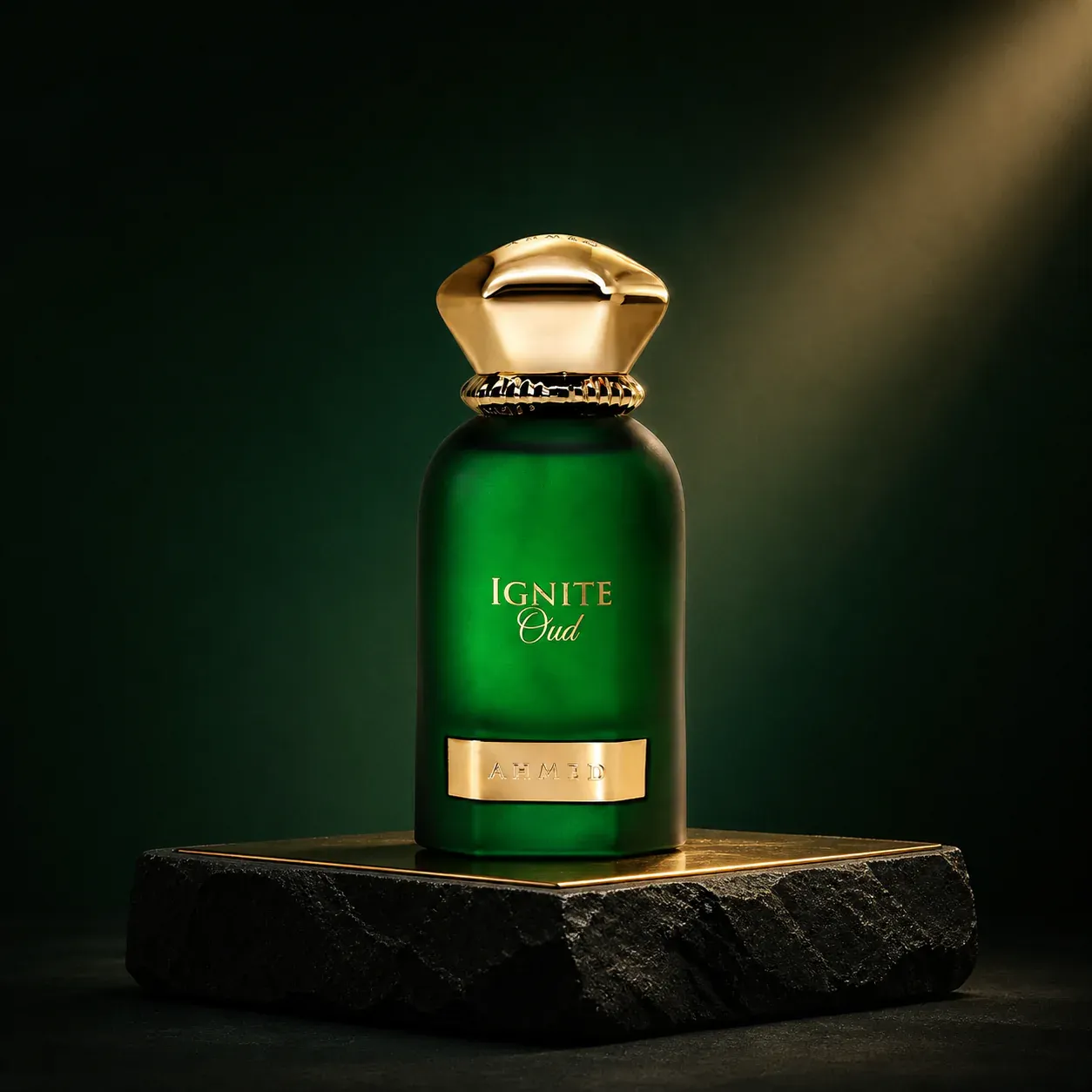
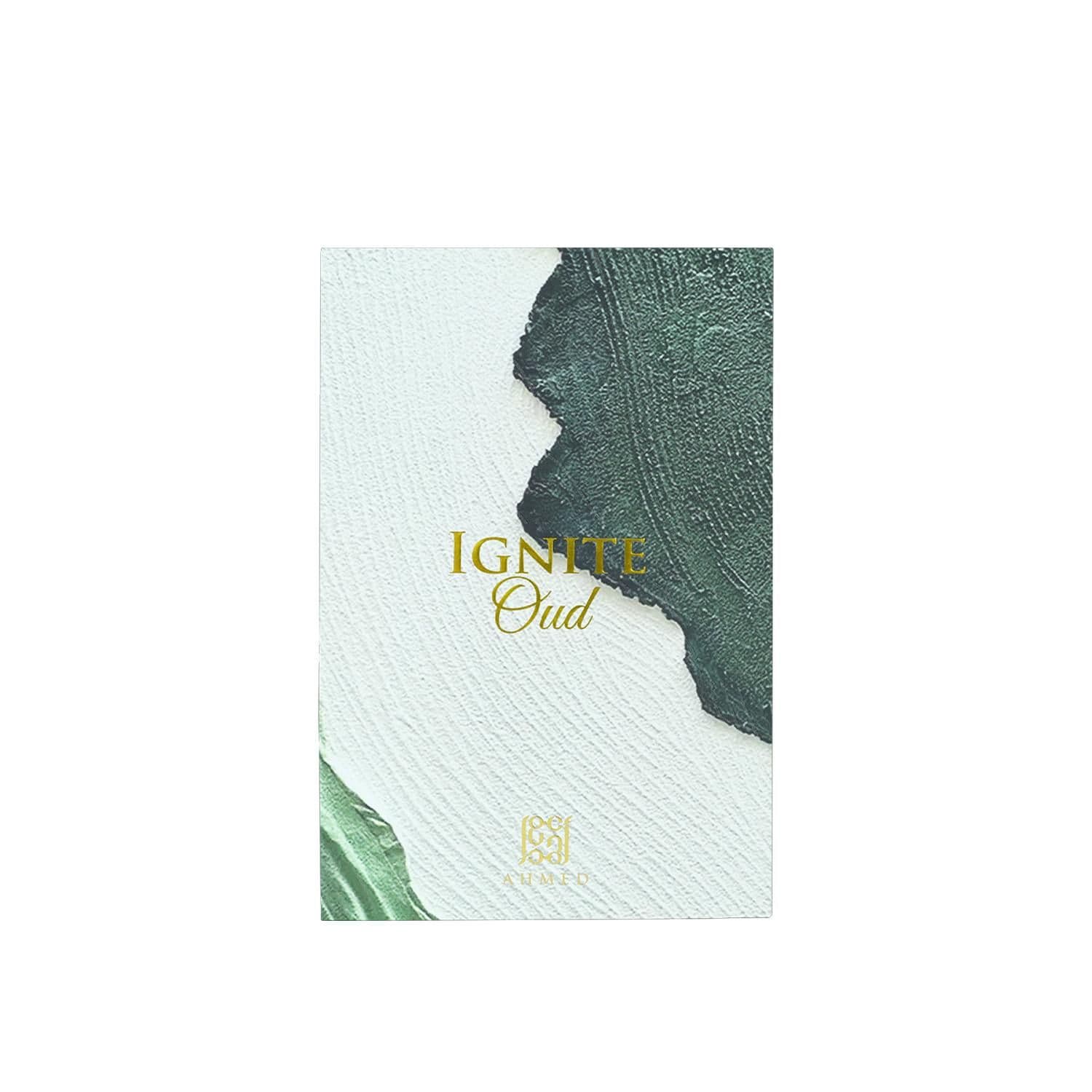
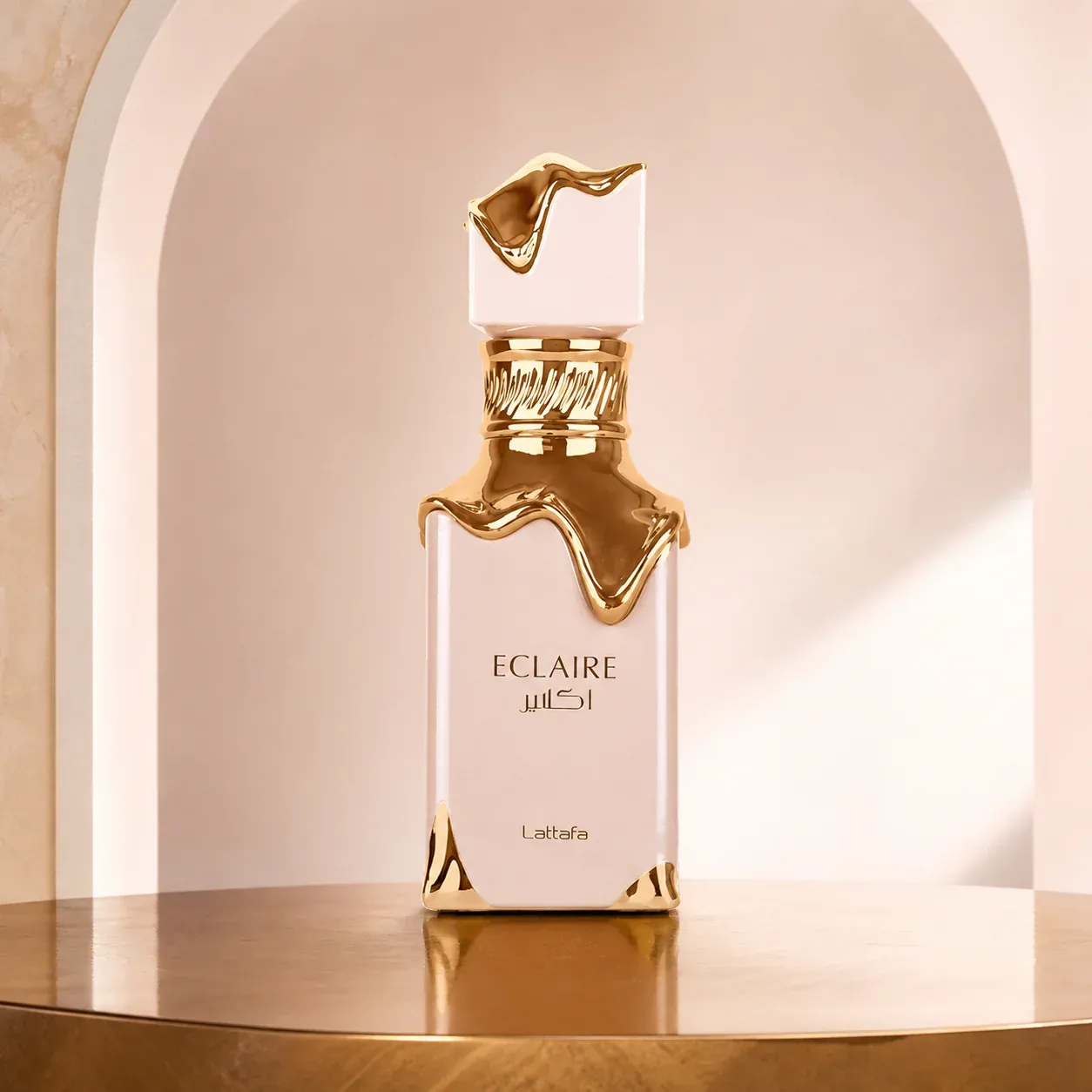
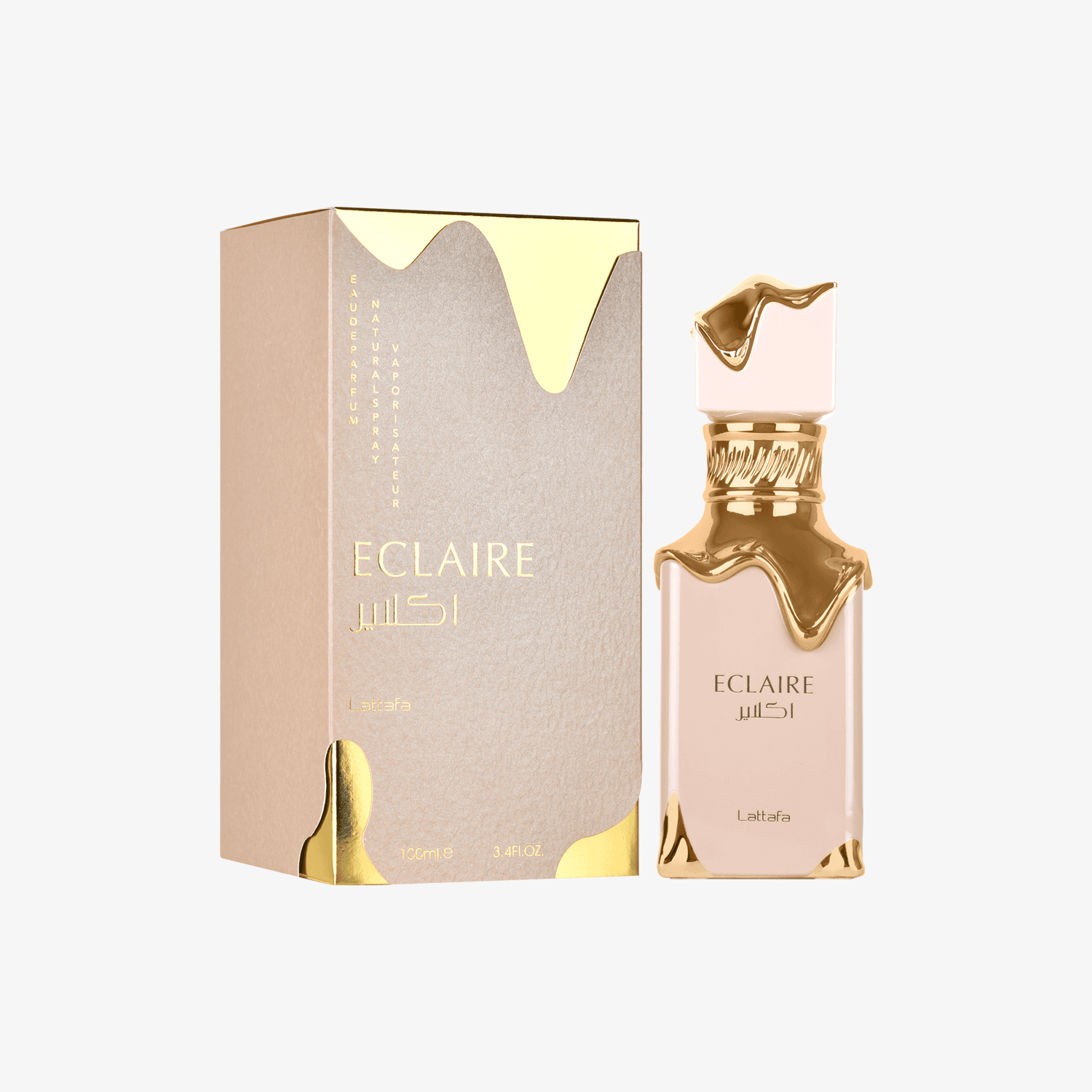
Gulf perfumery grew up in heat, where a light EDT is gone by mid-morning. Lattafa, Lattafa Pride and Ahmed Al Maghribi build their ranges almost entirely as Eau de Parfum, and Ahmed Al Maghribi releases its signatures like Kaaf and Ignite Oud as Extrait. That is the single biggest reason a Rs. 8,000 Arabian fragrance outlasts a Rs. 25,000 designer EDT.
How to use each concentration
- EDT: four or five sprays, reapply in the afternoon. Good for the gym and very hot days.
- EDP: two or three sprays on the chest and neck. One application for a working day.
- Extrait: one or two sprays. It sits closer to skin for the first hour then blooms, and it will still be there at midnight.
Does concentration mean the same scent?
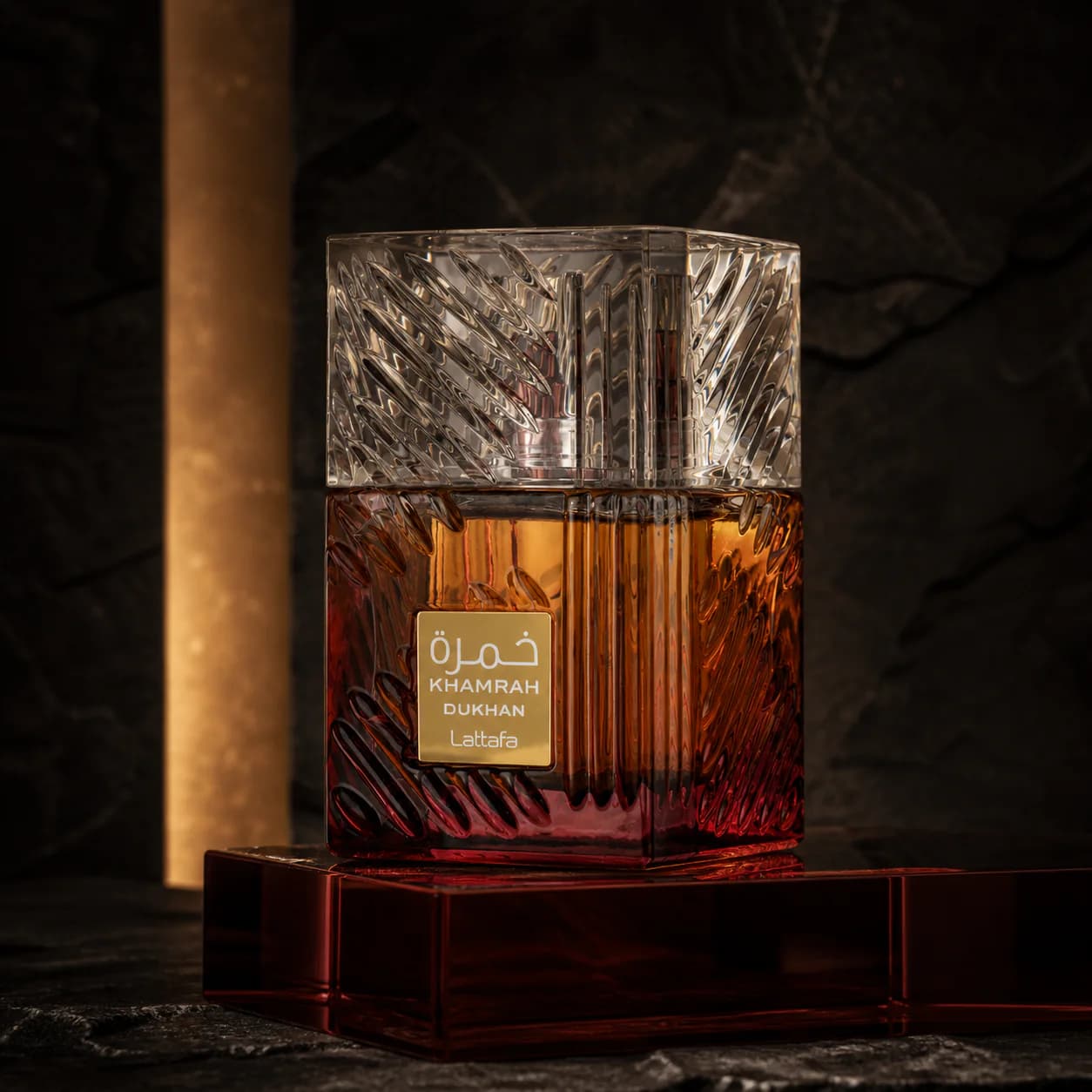
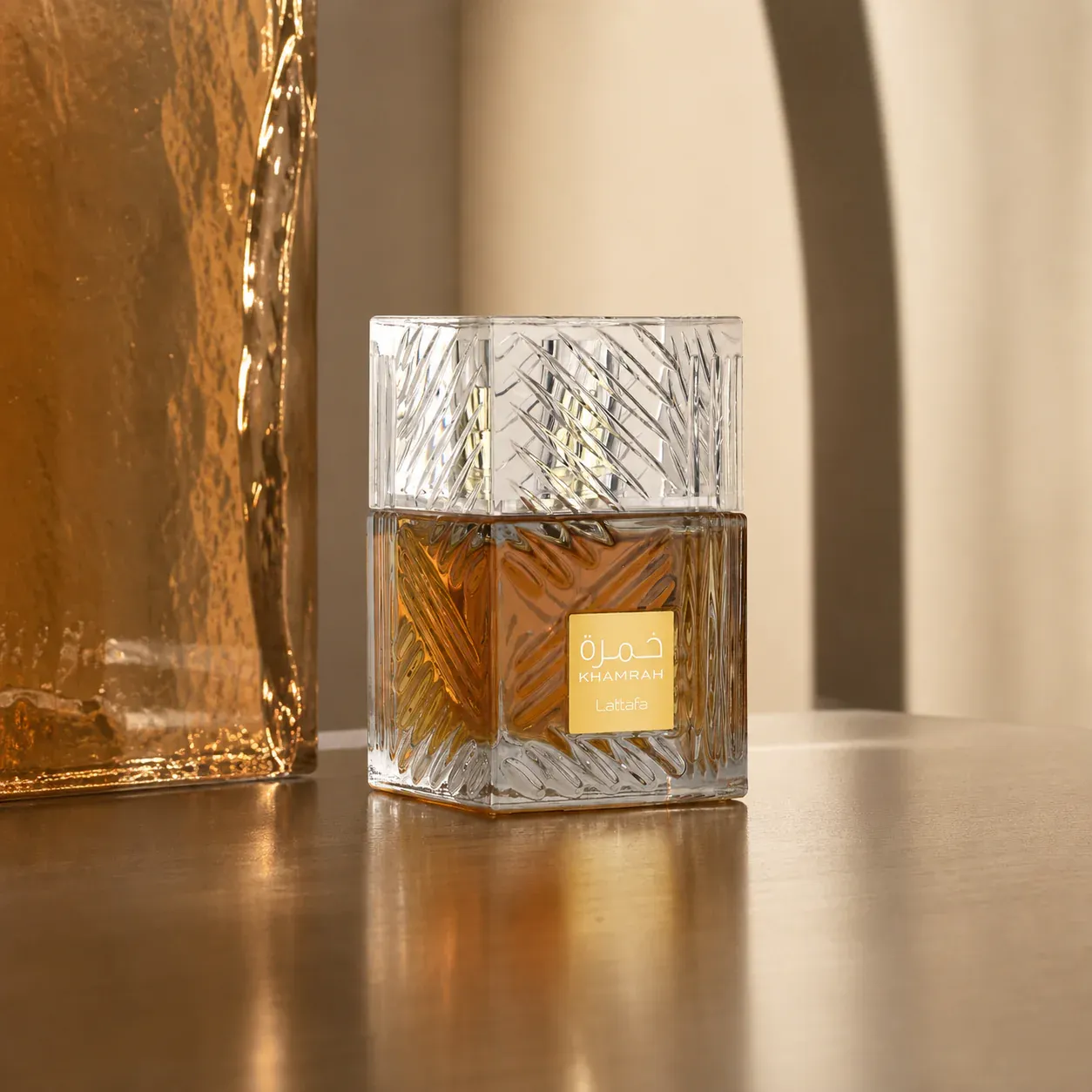
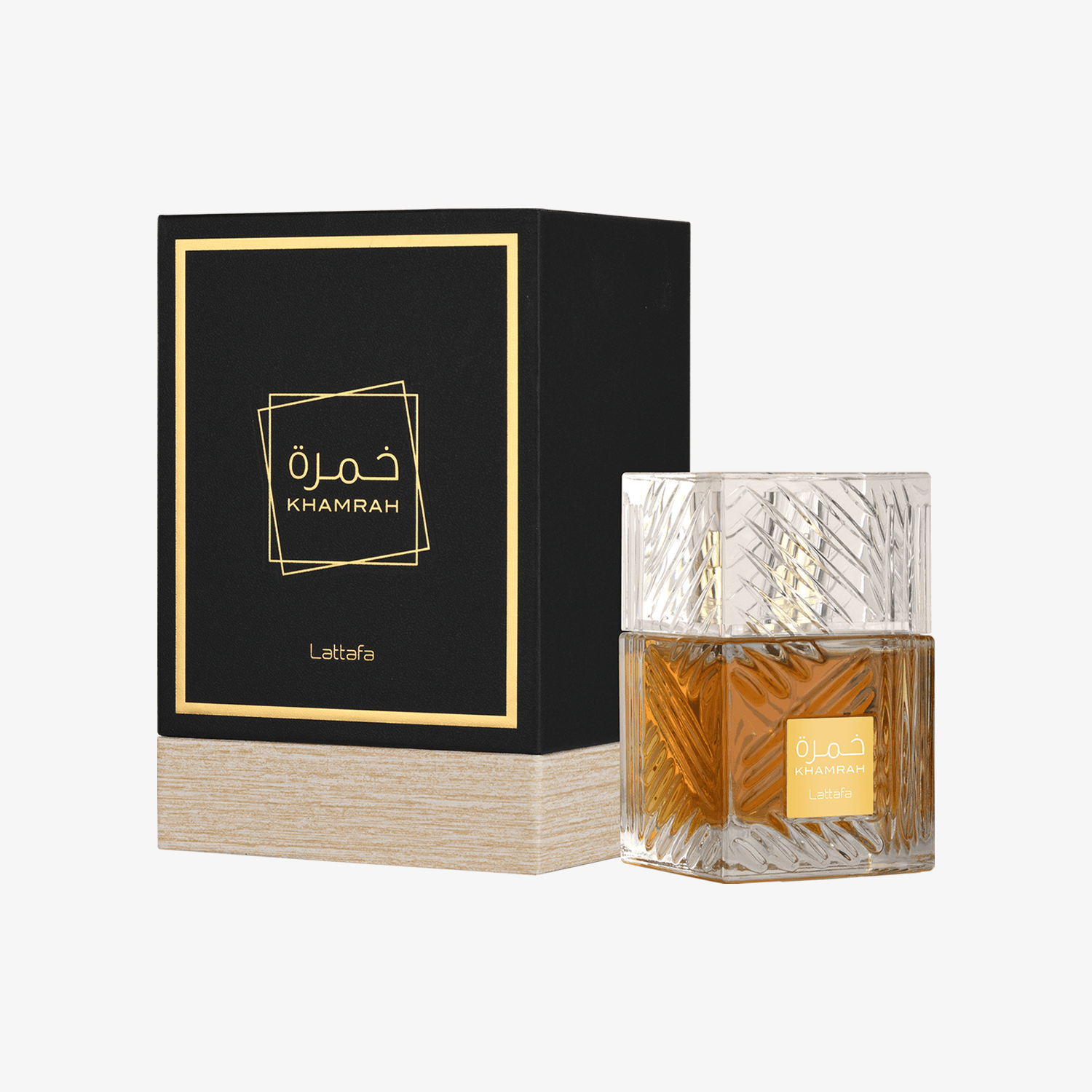
Not always. When a designer brand releases an EDT and an EDP of the same name, the formulas often differ, with the EDP usually deeper and sweeter. Arabian houses rarely do this, they pick one concentration per fragrance. So Khamrah is Khamrah, there is no lighter version to confuse you.